Nebraska home care guide
Home Care vs. Home Health Care in Nebraska
Home care and home health care can both happen in a person's home, but they solve different problems. Home care supports daily routines and family caregivers without requiring medical or nursing judgment. Home health care provides skilled nursing or therapy for a medical need under the rules that apply to licensed home health agencies.
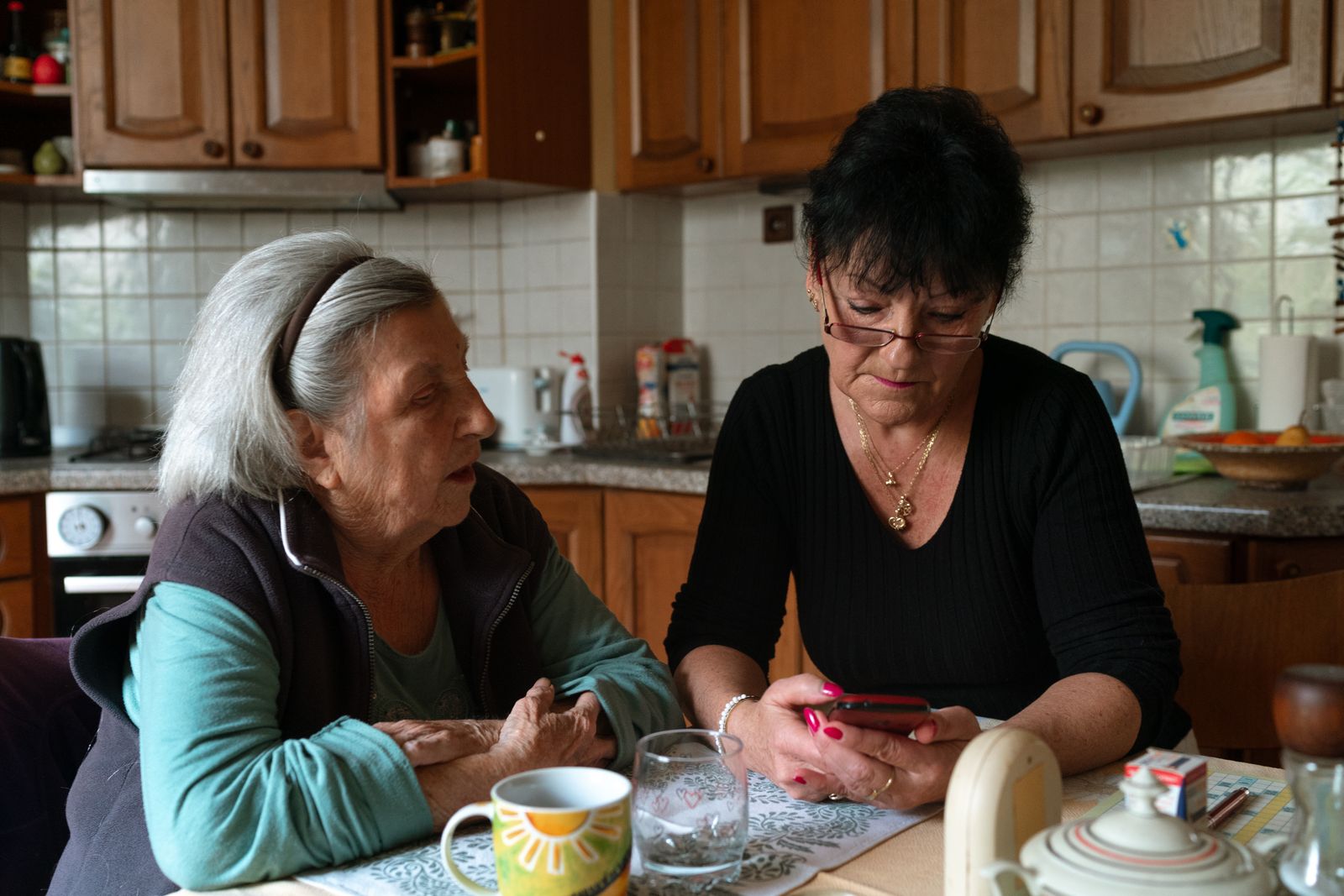
The difference at a glance
Start with the kind of help the person needs. Daily non-medical support points toward home care. Skilled nursing, therapy, or another medically necessary service points toward a licensed home health agency.
- Home care
- Personal care, companionship, homemaker support, and respite that do not require medical or nursing judgment.
- Home health care
- Skilled nursing, physical therapy, occupational therapy, speech-language therapy, or another therapeutic service provided through a home health agency.
- Some families need both
- A person may receive skilled visits for a medical need while also using non-medical home care for daily routines, supervision, or caregiver relief.
What non-medical home care means in Nebraska
Nebraska law describes in-home personal services as attendant, companion, and homemaker services that do not require medical or nursing judgment. The purpose is practical support in the person's residence. Depending on the care plan, that can include hands-on help with activities of daily living, medication reminders, meals, household tasks, and everyday routines.
What skilled home health care means
A Nebraska home health agency provides skilled nursing care or at least one therapeutic service, such as physical therapy, occupational therapy, speech-language therapy, respiratory care, or certain home health aide services. Medicare describes home health as part-time, medically necessary skilled care ordered and managed through an appropriate plan of care. Coverage and eligibility depend on the payer's rules and the person's clinical needs.
Personal care supports activities of daily living
Personal care is the hands-on side of non-medical home care. It may include help with bathing, dressing, grooming, toileting, transfers, mobility, meal support, and agreed daily routines. These services do not replace skilled nursing, wound care, injections, therapy, or other work that requires medical judgment.
Companionship supports connection and routine
Companionship focuses on conversation, shared activities, errands, technology help, light housekeeping, and staying connected to familiar routines. It is a useful fit when the main need is social or practical support rather than hands-on personal care or skilled treatment.
Respite care supports the family caregiver
Respite care provides scheduled support while a family caregiver works, attends appointments, handles errands, rests, or spends time elsewhere. The respite plan should match the person's actual needs. If skilled nursing or therapy is required during that time, the family should ask whether a home health provider or another qualified professional must also be involved.
Which provider might your family need?
Choose non-medical home care when the main need is help with daily activities, companionship, household routines, or relief for a family caregiver. Ask about skilled home health care when there is a need for nursing assessment, wound care, injections, therapy, or another medically necessary skilled service. Families may use both when medical visits and ongoing daily support are needed at the same time.
Questions to ask before choosing
Ask which tasks the provider can and cannot perform, whether the agency is licensed or otherwise regulated for those services, how caregivers are screened and supervised, what schedule is available, how care-plan changes are handled, and who coordinates with doctors, therapists, waiver staff, or other providers. Also confirm the price and what Medicare, Medicaid, private insurance, or private pay may cover before services begin.
Where Golden Years Health fits
Golden Years Health provides non-medical home care across Greater Omaha, including personal care, companionship, respite care, and guidance for families navigating LRI Personal Care. We do not present Golden Years as a skilled home health or skilled nursing provider. If a person needs nursing or therapy, we can help the family identify the questions to ask and coordinate daily support alongside the appropriate clinical provider.
What to do next
- 1Write down the exact tasks the person needs help with and separate daily-routine support from medical or therapy needs.
- 2Ask each provider which services it is authorized to provide, who supervises the care, and what happens when the person's needs change.
- 3Confirm scheduling, caregiver qualifications, costs, insurance or Medicaid requirements, and whether two providers need to coordinate care.
Important note
This guide is informational and should not be treated as an eligibility decision, legal advice, or a guarantee of coverage. Families should verify current rules with Nebraska Medicaid, DHHS, their service coordinator, or the appropriate plan administrator.
Frequently asked questions
Is home care the same as home health care?
No. Home care generally supports daily activities, companionship, household routines, and family caregivers without requiring medical or nursing judgment. Home health care provides skilled nursing or therapy for a medical need.
Can someone receive home care and home health care together?
Yes. Skilled home health visits may address a medical or therapy need while non-medical home care supports bathing, meals, companionship, supervision, or other daily routines. The providers should understand their separate roles and coordinate when appropriate.
Does Medicare pay for non-medical home care?
Medicare home health coverage is tied to eligibility for medically necessary skilled services and does not generally function as ongoing custodial or companion care. Ask Medicare or the person's plan about the specific situation. Medicaid, private insurance, waiver programs, or private pay may follow different rules.
Does Golden Years Health provide skilled nursing or therapy?
No. Golden Years Health provides non-medical personal care, companionship, respite care, and LRI Personal Care guidance. A licensed home health agency or another qualified clinical provider is the appropriate choice for skilled nursing or therapy.